Fish Keepers Have Known for Decades That Goldfish Remember Way More Than 3 Seconds
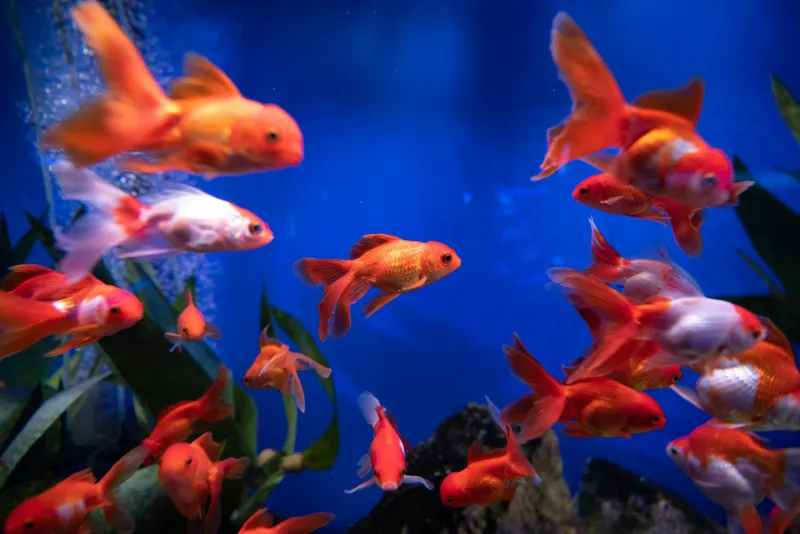
The Myth That Launched a Thousand Insults
Call someone a "goldfish" in America, and everyone knows what you mean: forgetful, scatterbrained, unable to focus for more than a few seconds. The comparison has become so embedded in our language that we use it without thinking. Social media attention spans? "Goldfish-level." Forgot where you put your keys again? "Total goldfish moment."
There's just one problem: actual goldfish remember things for months, not seconds.
Where the 3-Second Rule Came From (Nobody Really Knows)
Trying to trace the origin of the three-second goldfish memory claim is like chasing smoke. It doesn't appear in early fish-keeping manuals or scientific literature. Marine biologists can't point to any research that ever suggested such a short memory span.
The myth likely emerged from a combination of factors: goldfish bowls that provided no stimulation, the assumption that simple-looking animals must have simple minds, and the human tendency to project our own boredom onto pets stuck swimming in circles.
But here's the thing — if you put a human in a bare, white room with nothing to do, they'd probably look pretty mindless too.
What Fish Keepers Have Always Known
Ask anyone who's seriously kept goldfish, and they'll tell you the three-second rule is laughable. Goldfish quickly learn feeding schedules, often gathering at the front of their tank when their owner approaches around mealtime. They recognize different people and respond more enthusiastically to their primary caregiver than to strangers.
Many goldfish learn to navigate mazes, remember the locations of food sources, and even perform simple tricks. Some respond to their names or come when called. These aren't behaviors you'd expect from an animal that forgets everything every few seconds.
Professional aquarium staff have documented goldfish remembering tank layouts for months after being moved to new environments. The fish quickly relearn optimal swimming routes and feeding spots, suggesting they retain spatial information far longer than the popular myth suggests.
The Science Behind Fish Memory
When researchers actually tested goldfish memory in controlled conditions, the results demolished the three-second myth. A 2003 study published in Animal Cognition trained goldfish to navigate mazes and found they could remember the correct route for at least three months — the longest period the researchers tested.
Other studies have shown goldfish can distinguish between different pieces of classical music, learn to associate specific colors with feeding times, and remember social hierarchies within groups of fish. Some research suggests goldfish memory may extend up to five months for certain types of information.
Dr. Culum Brown, a fish cognition researcher at Macquarie University, has noted that goldfish demonstrate "impressive learning abilities" and can be trained to respond to different colors, sounds, and other cues. His research team found that goldfish could learn complex tasks and retain that knowledge for extended periods.
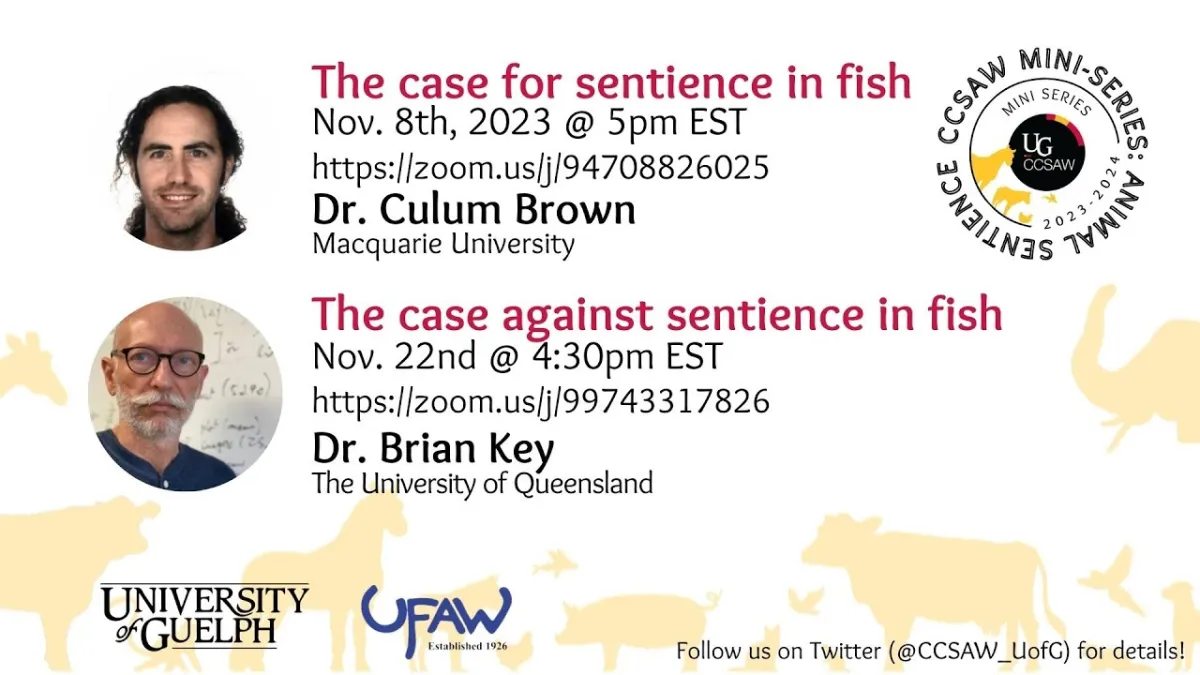 Photo: Dr. Culum Brown, via i.ytimg.com
 Photo: Macquarie University, via images.squarespace-cdn.com
Why We Underestimate Animal Intelligence
The goldfish memory myth fits a broader pattern of humans dramatically underestimating animal cognition. We tend to assume that animals with simpler nervous systems must have proportionally simpler mental lives. But intelligence isn't just about brain size or complexity — it's about how effectively an animal's cognitive abilities match their environmental needs.
Goldfish in the wild (yes, they exist in nature) need to remember seasonal feeding grounds, recognize predators and safe spaces, and navigate complex aquatic environments. A three-second memory would be evolutionarily catastrophic for any animal trying to survive in the real world.
Cultural biases also play a role. Fish don't make facial expressions we recognize, don't vocalize in ways we understand, and live in an environment completely foreign to human experience. It's easy to project mindlessness onto creatures whose intelligence manifests so differently from our own.
The Real Problem With Goldfish Bowls
The persistence of the memory myth has real consequences for fish welfare. If people believe goldfish can't remember anything anyway, why invest in proper tanks, filtration, or environmental enrichment? The classic goldfish bowl — a bare glass sphere with no stimulation — becomes acceptable housing for an animal assumed to be essentially mindless.
But goldfish are actually quite social and benefit from complex environments with plants, hiding spots, and other fish for company. They're also much larger than most people realize, with some varieties growing over a foot long when given adequate space.
The memory myth has helped perpetuate inadequate care standards that would be considered cruel for any other pet. Imagine keeping a dog in a closet because you believed it couldn't remember being anywhere else.
Breaking the Cycle
The three-second goldfish memory claim is a perfect example of how "common knowledge" can be completely wrong. It persists because it's convenient, memorable, and fits our preconceptions about "simple" animals.
But once you know the real story, it's hard to use "goldfish memory" as an insult. If anything, goldfish demonstrate that intelligence comes in many forms, and that we're often terrible at recognizing cognitive abilities that don't mirror our own.
The Takeaway
Next time someone compares your attention span to a goldfish, you might want to take it as a compliment. Real goldfish are capable learners with surprisingly sophisticated memories. The three-second rule says more about human assumptions than it does about fish cognition.
Maybe it's time we found a new metaphor for forgetfulness — one that doesn't unfairly malign some pretty impressive little swimmers.