Why That Old Lightning Safety Rule Is Actually Deadly Wrong
Why That Old Lightning Safety Rule Is Actually Deadly Wrong
You've heard it a thousand times: "Lightning never strikes twice in the same place." It's one of those sayings that feels so universally accepted, so obviously true, that questioning it seems almost silly. Parents tell their kids, weather apps reference it, and it's become shorthand for "you're probably safe now."
Except it's completely, dangerously wrong.
The Empire State Building Gets Hit 20+ Times Every Year
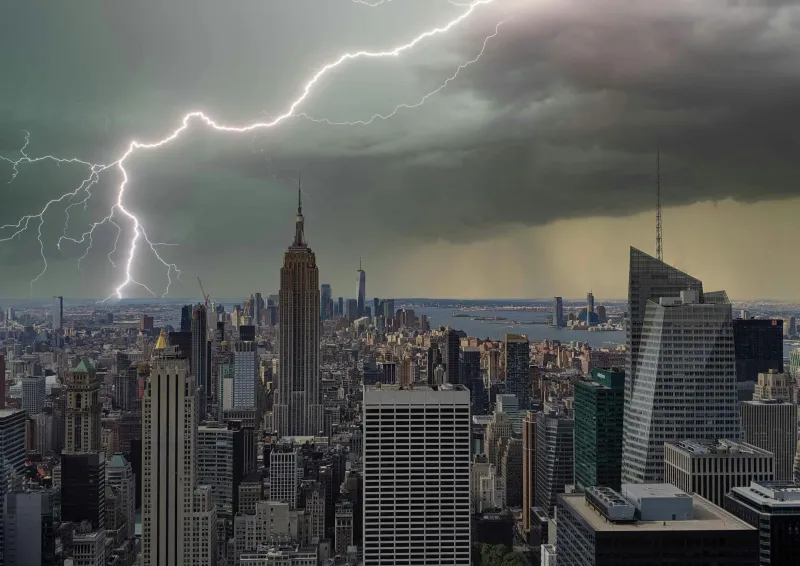
Let's start with the most famous lightning rod in America: the Empire State Building. This iconic skyscraper doesn't just get struck by lightning occasionally — it gets hammered by it. Weather scientists estimate it takes between 20 and 25 direct lightning strikes every single year.
That's roughly once every two weeks during storm season.
The building has been photographed being struck multiple times during the same thunderstorm. In 2011, a photographer captured it being hit three times in just a few minutes. The National Weather Service has documented cases where the same building, tree, or structure gets struck repeatedly within hours.
So where did this myth come from, and why do people still believe it?
From Metaphor to Deadly Misunderstanding
The phrase "lightning never strikes twice" wasn't originally meant to be taken literally. It started as a metaphor — a way of saying that extremely unlikely or tragic events don't typically repeat themselves in the same way.
Somewhere along the way, people began applying this figurative expression to actual lightning safety. The metaphor became "fact," and that transformation has had real consequences.
Meteorologists and emergency responders have documented cases where people made dangerous decisions based on this myth. Someone survives a lightning strike near a particular tree or structure, then returns to that same spot during future storms, believing they're now "safe" there.
They're not.
Lightning Actually Loves Repeat Performances
Here's what actually happens: lightning follows the path of least resistance to the ground. Tall objects, metal structures, isolated trees, and high points create these paths. Once lightning finds a good route, it's likely to use that same route again.
Think about it logically — if a 100-foot oak tree was the tallest thing in a field yesterday, it's still going to be the tallest thing in that field today. The conditions that made it attractive to lightning haven't changed.
Roy Sullivan, a park ranger in Virginia, was struck by lightning seven different times between 1942 and 1977. He earned the nickname "Human Lightning Rod" and survived all seven strikes (though he eventually died of a self-inflicted gunshot wound, unrelated to lightning). His case is extreme, but it perfectly illustrates how certain people and places can become lightning magnets.
The Real Lightning Safety Rules You Need
Forget the old wives' tale. Here's what lightning safety actually looks like:
During a storm, avoid:
- Tall, isolated objects (trees, poles, towers)
- Open fields and hilltops
- Bodies of water
- Metal objects and structures
- Anything that was struck by lightning before
Seek shelter in:
- Substantial buildings with plumbing and electrical systems
- Hard-topped vehicles (not convertibles)
- Low areas away from tall objects
The 30-30 rule: If you can count less than 30 seconds between lightning and thunder, seek shelter immediately. Stay sheltered for 30 minutes after the last thunder.
Why This Myth Refuses to Die
Despite decades of meteorological evidence, the "lightning never strikes twice" belief persists for several reasons:
-
It's comforting. People want to believe that surviving one lightning encounter makes them safer.
-
It sounds scientific. The phrase has that ring of natural law, like "what goes up must come down."
-
Confirmation bias. Most people don't personally witness multiple lightning strikes in the same location, so the myth seems plausible.
-
It's everywhere. The saying appears in movies, books, and casual conversation constantly, reinforcing the misconception.
The Real Story About Lightning
Lightning is far more predictable than the old saying suggests. Weather scientists can identify "lightning-prone" locations with remarkable accuracy. Some places — like central Florida, the Rocky Mountain peaks, and tall urban structures — get struck regularly and repeatedly.
The National Weather Service tracks these patterns specifically to help people make better safety decisions. Their data shows that certain locations experience multiple strikes not just in the same year, but sometimes in the same storm.
Your Takeaway
Next time you hear someone reference the "lightning never strikes twice" rule, remember: it's poetry, not physics.
Lightning absolutely strikes the same places repeatedly, and understanding this fact could save your life. Don't let a catchy phrase override common sense when you're making decisions about storm safety.
The real rule is simpler: if lightning struck somewhere once, it can definitely strike there again. Plan accordingly.