That Post-Workout 'Magic Window' Everyone Talks About? It Started With Lab Rats and Extreme Starvation
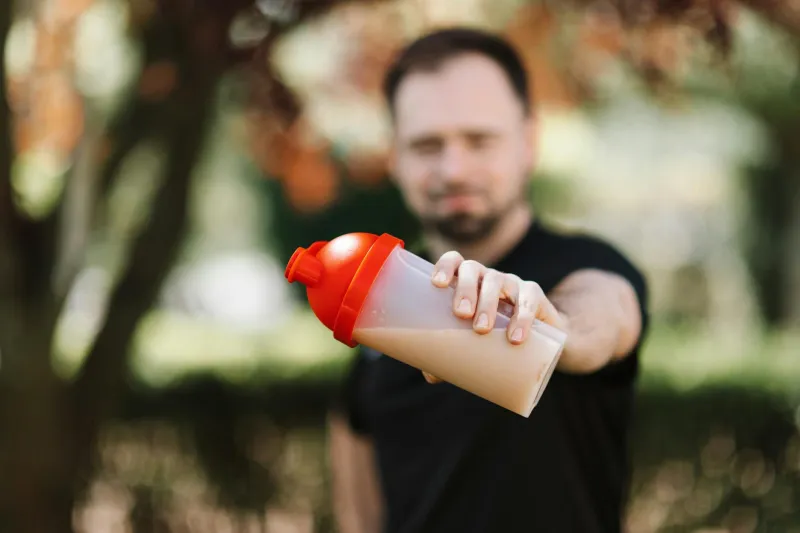
Walk into any gym in America and you'll witness the same ritual: the moment someone finishes their last set, they're frantically digging through their bag for a protein shake. The clock is ticking. Miss that crucial 20-minute window, gym wisdom warns, and your entire workout becomes worthless.
This belief runs so deep that supplement companies have built entire marketing campaigns around it. Pre-mixed protein drinks promise "rapid absorption" and "immediate muscle feeding." Fitness influencers set phone alarms to remind followers about their shrinking window of opportunity.
But here's what almost nobody knows: the research that created this urgent timeline wasn't studying people at all. It was studying lab rats under conditions so extreme they barely relate to human exercise.
The Rat Study That Started Everything
The "anabolic window" concept traces back to studies from the 1980s and 1990s that examined protein synthesis in laboratory animals. These weren't casual studies of rats hitting tiny treadmills and then grabbing snacks. Researchers were investigating muscle protein synthesis under controlled conditions that would be considered torture if applied to humans.
The rats in these foundational studies were often fasted for 12-18 hours before exercise—imagine not eating from dinner one day until lunch the next day, then immediately running a marathon. After this extreme fasting and exercise protocol, researchers measured how quickly the animals' muscles responded to protein intake.
Under these harsh conditions, timing mattered dramatically. A starved, exhausted rat's muscle protein synthesis spiked when fed immediately after exercise, but showed diminished response when feeding was delayed.
The problem? These conditions have virtually nothing to do with a typical human workout scenario.
How Extreme Research Became Everyday Advice
Somewhere between the laboratory and the locker room, crucial context got lost. The dramatic timing effects observed in severely fasted rats became simplified into a universal rule for all post-exercise nutrition.
Early sports nutrition researchers began applying these animal study findings to human athletes, often without acknowledging the massive differences in study conditions. A few small human studies seemed to support the timing concept, but they typically involved subjects who had fasted overnight—still far from the normal eating patterns of recreational gym-goers.
By the early 2000s, the "anabolic window" had become fitness gospel. Supplement companies seized on the concept because it created urgency around their products. Why buy protein powder if you could just eat a chicken breast hours later with the same effect?
What Modern Research Actually Shows
Recent studies on post-workout nutrition tell a much more relaxed story. Research involving real-world eating patterns—people who had normal meals throughout the day—shows that the supposed 20-minute deadline is largely meaningless.
A 2017 meta-analysis examining dozens of studies found that total daily protein intake matters far more than precise timing. For people eating adequate protein throughout the day, the difference between consuming protein immediately after exercise versus several hours later was statistically insignificant.
The International Society of Sports Nutrition now recommends a much more practical approach: if you've eaten protein within a few hours before your workout, you probably don't need to rush to consume more immediately afterward. The "window" extends for several hours, not minutes.
For people who work out first thing in the morning without eating, timing becomes slightly more relevant—but even then, you've got hours, not minutes.
Why the Myth Persists
Several forces keep the 20-minute rule alive despite contradictory evidence.
The supplement industry has obvious financial incentives to maintain urgency around post-workout nutrition. Convenient, expensive protein products become harder to justify if customers realize they could achieve the same results with regular food consumed hours later.
Fitness culture also loves precise rules and immediate feedback. The idea that muscle building happens according to exact timelines appeals to people who want to optimize every aspect of their training. A vague recommendation to "eat protein sometime after your workout" feels less actionable than "consume 25 grams within 20 minutes."
Social media amplifies these precise-sounding rules because they're easier to remember and share than nuanced explanations about individual variation and overall dietary patterns.
The Real Story About Post-Workout Nutrition
Effective post-workout nutrition is actually much simpler than the supplement industry suggests. Your muscles don't operate on a stopwatch, and missing an arbitrary deadline won't undo your hard work.
What actually matters: eating adequate protein throughout the day (roughly 0.8-1.2 grams per kilogram of body weight for most people), staying reasonably hydrated, and consuming enough overall calories to support your training.
If you prefer having a protein shake immediately after your workout, that's fine—but it's about convenience and personal preference, not biological necessity. Your muscles will respond just as well to the turkey sandwich you eat two hours later.
The Takeaway
The next time someone at the gym frantically chugs a protein shake while lecturing you about anabolic windows, remember: they're following advice based on studies of starved rats, not humans with normal eating patterns.
Your post-workout nutrition matters, but not according to a stopwatch. Focus on eating well throughout the day, and skip the panic about precise timing. Your muscles—unlike those laboratory rats—have plenty of time to recover and grow.