Coffee Doesn't Dehydrate You, Thirst Isn't an Emergency Signal, and Sports Drinks Are Basically Funded Propaganda — The Hydration Myths Nobody Warned You About
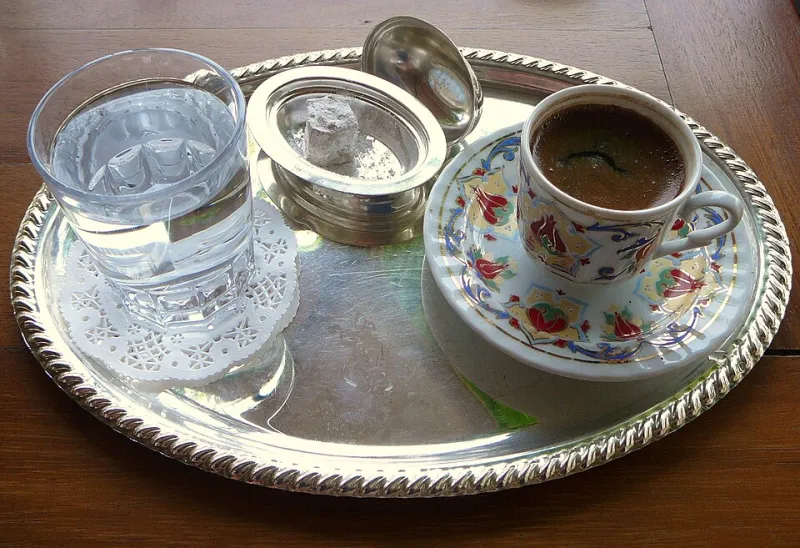
Photo: Tema, CC BY-SA 3.0, via Wikimedia Commons
By now, a lot of people have heard that the "eight glasses of water a day" rule doesn't have the scientific foundation everyone assumed. That particular myth has been well-aired. But here's the thing: the eight-glasses story is just the most famous hydration misconception in a much larger ecosystem of misinformation about how the human body manages water.
Americans have been handed a remarkably detailed set of beliefs about hydration — when to drink, what counts, how to tell if you're doing it wrong — and a surprising number of those beliefs were shaped less by physiologists than by marketing departments. Let's go through them.
The Coffee Dehydration Myth Has Been Debunked for Decades
Ask most Americans whether coffee counts toward their daily fluid intake and a large portion will say no — or worse, will say that coffee actually takes away from their hydration because it's a diuretic. This belief is so widespread that some people genuinely avoid coffee when they feel thirsty, or compensate by drinking extra water after their morning cup.
The science on this is pretty clear, and has been for a while. Yes, caffeine has a mild diuretic effect — it causes the kidneys to excrete slightly more sodium, which pulls a little extra water with it. But the key word is mild. Studies going back to the late 1990s and confirmed repeatedly since then have found that the fluid in a cup of coffee more than offsets the diuretic effect of the caffeine it contains. In other words, drinking coffee contributes to your daily hydration, not against it.
A 2014 study published in PLOS ONE specifically tested regular coffee drinkers and found no meaningful difference in hydration markers between days when they drank coffee and days when they drank water instead. The researchers' conclusion was blunt: coffee, consumed in normal amounts, is effectively equivalent to water as a hydration source for habitual drinkers.
So where did the coffee-dehydration belief come from? Partly from a misreading of early caffeine research that measured the diuretic effect in isolation without accounting for the water content of the beverage. And partly, it's worth noting, from a cultural moment in the 1990s when bottled water companies were aggressively marketing hydration as something Americans were getting wrong — and coffee was a convenient villain.
Thirst Is Not a Sign That You're Already Behind
One of the more anxiety-inducing pieces of hydration advice that circulated heavily in the 2000s was the idea that by the time you feel thirsty, you're already dehydrated. This framing turned the body's natural thirst mechanism into an unreliable warning system — something that fires too late to be useful, meaning you need to preemptively drink water constantly throughout the day regardless of whether you feel like it.
This idea got enormous traction, particularly in athletic and fitness communities. It also got picked up by corporate wellness programs that encouraged employees to keep water bottles on their desks and sip continuously.
The problem is that it significantly misrepresents how thirst actually works. The human body's thirst response is a finely calibrated system that evolved over millions of years specifically to manage hydration. Research in exercise physiology has found that thirst activates when the body has lost roughly 1-2% of its water content — a level that causes no meaningful impairment in healthy, sedentary people and only minor effects in athletes doing moderate exercise.
Dr. Tamara Hew-Butler, a sports medicine researcher who has studied hyponatremia (dangerously low blood sodium, often caused by over-drinking water), has been outspoken about the harm done by the "drink before you're thirsty" advice. Forcing fluid intake beyond what thirst demands, particularly in endurance athletes, has led to hospitalizations and deaths. The thirst signal, it turns out, is actually pretty good at its job.
 Photo: Dr. Tamara Hew-Butler, via c8.alamy.com
The Sports Drink Industry Funded the Research That Made Sports Drinks Necessary
This is where the hydration story gets genuinely uncomfortable.
Gatorade was invented in 1965 by researchers at the University of Florida — hence the Gators branding — and for most of its early history it was a product marketed to competitive athletes doing prolonged, intense exercise in hot conditions. That was a legitimate use case. Replacing electrolytes lost through heavy sweating during multi-hour athletic events has real physiological support.
 Photo: University of Florida, via wallpaperaccess.com
But at some point in the 1990s and 2000s, sports drinks pivoted hard toward the general consumer market. And to justify selling sugar-and-sodium beverages to people going for 30-minute jogs or sitting in the bleachers watching their kids play soccer, the industry needed research that expanded the definition of who "needed" electrolyte replacement.
The Gatorade Sports Science Institute — funded by Gatorade's parent company — became one of the most prolific producers of hydration research in the country. Studies coming out of or funded by that institute consistently found broader and broader populations benefiting from sports drink consumption. Independent researchers reviewing the same data frequently arrived at more modest conclusions.
A 2012 analysis published in the British Medical Journal examined the evidence base behind sports drink marketing claims and found that a significant portion of the studies were either industry-funded, methodologically weak, or both. The authors concluded that the scientific case for sports drinks in recreational exercise was substantially thinner than the advertising suggested.
For the vast majority of Americans doing moderate exercise lasting less than an hour, water is physiologically sufficient. The electrolyte replacement narrative was built, at least in part, to sell a product.
The Urine Color Chart Deserves More Skepticism Than It Gets
The pale-yellow-means-hydrated urine color chart has become a fixture in gyms, school health rooms, and corporate wellness posters. It presents itself as objective biology. Drink until your urine is light yellow, and you're good.
What gets left out is that urine color is affected by more than just hydration status. B vitamins, certain foods (beets, asparagus, blackberries), medications, and even the time of day all influence urine color in ways that have nothing to do with how much water you've consumed. Morning urine is almost always darker regardless of how well-hydrated you were the night before, because the kidneys concentrate urine during sleep.
The chart isn't useless — extreme dehydration does produce noticeably dark urine, and that's worth knowing. But using it as a precise real-time hydration meter, as many wellness programs encourage, is assigning more precision to a rough heuristic than the science actually supports.
The Bigger Picture
What all of these myths share is a common origin story: they emerged from a cultural moment when hydration became a consumer product category, and a lot of the information Americans received about water came from people who had something to sell.
The actual science on hydration is considerably less dramatic. Drink when you're thirsty. Your coffee counts. You don't need Gatorade to recover from a light workout. And your body has been managing its own water balance for a very long time without a wellness app to remind it.