Why Doctors Cringe Every Time Someone Says Alcohol Keeps You Warm
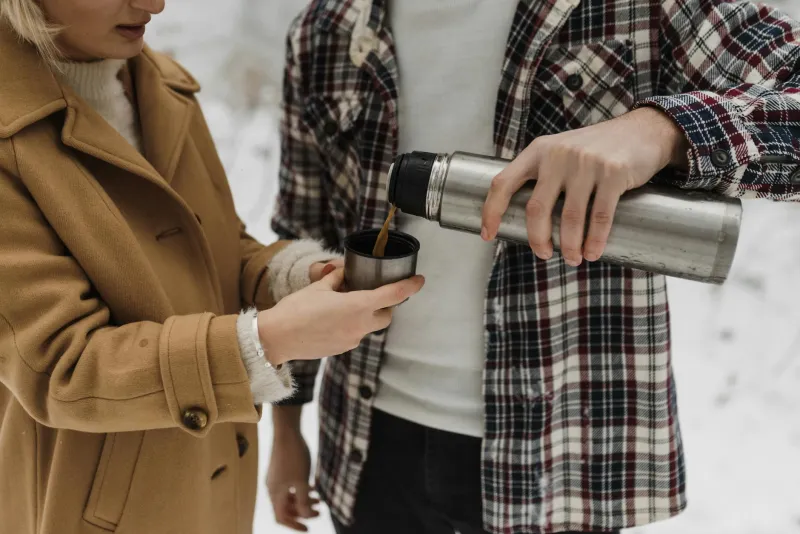
The Myth That Won't Die
Every winter, emergency rooms across America see the same preventable tragedies. People caught in cold weather who thought a flask of whiskey would keep them warm, only to end up with severe hypothermia. Despite decades of medical education campaigns, the belief that alcohol raises body temperature remains stubbornly embedded in American culture.
The truth is exactly the opposite: alcohol doesn't warm you up — it makes you lose heat faster and lowers your core body temperature. This isn't a recent medical discovery, either. Doctors have understood this physiological reality since the early 1900s, yet the myth persists with deadly consequences.
The Science Your Body Doesn't Want You to Ignore
When you drink alcohol, your blood vessels near the skin dilate, a process called vasodilation. This creates a temporary sensation of warmth as blood flows closer to the surface of your body. Your face might flush, your skin might feel warmer to the touch, and you might feel like you're heating up from the inside.
But here's what's actually happening: that warm blood flowing to your skin is rapidly losing heat to the environment. Your core body temperature — the measurement that actually matters for survival — begins dropping. It's like opening all the windows in a heated house. You might feel a rush of fresh air, but the house gets colder, not warmer.
Dr. Robert Pandya, an emergency medicine physician at Duke University, puts it bluntly: "Alcohol creates the illusion of warmth while actively making hypothermia more likely. It's one of the most dangerous misconceptions we encounter in cold weather emergencies."
 Photo: Duke University, via www.osdaudio.com
The effect is measurable and significant. Studies show that alcohol can drop core body temperature by 1-2 degrees Fahrenheit within an hour of consumption, even in moderately cold conditions. In severe cold, the effect is more pronounced and potentially fatal.
How This Became 'Common Knowledge'
The alcohol-warmth myth has deep cultural roots in America, reinforced by everything from Wild West movies to family traditions. The image of frontiersmen warming up with whiskey around a campfire, or Saint Bernard dogs carrying brandy to stranded travelers, became embedded in the collective imagination.
 Photo: Saint Bernard, via www.pierre-alentour.fr
These stories weren't entirely fictional — they were based on the immediate sensation that alcohol provides. Before modern medical understanding of hypothermia and heat regulation, people relied on how things felt rather than objective measurements. If alcohol made you feel warmer, the logical conclusion was that it made you warmer.
The alcohol industry didn't discourage this belief. Brands like Fireball whiskey and peppermint schnapps have built entire marketing strategies around the idea of "warming up" with their products. Winter cocktail culture celebrates "warming" drinks like hot toddies and spiked cider, reinforcing the connection between alcohol and heat.
The Military Learned This Lesson the Hard Way
Military history provides some of the clearest evidence against the alcohol-warmth myth. During World War I and II, armies on both sides initially issued alcohol rations to troops in cold climates, believing it would help prevent frostbite and hypothermia.
The results were disastrous. Soldiers who consumed alcohol before cold weather exposure had significantly higher rates of cold-weather injuries. The U.S. military eventually banned alcohol rations in cold weather operations after documenting the increased casualty rates.
Modern military cold weather survival training explicitly warns against alcohol consumption. The Army's survival manual states: "Alcohol gives you a false sense of warmth and causes you to lose heat faster. Never drink alcohol when trying to stay warm."
Why Emergency Rooms Still See This Every Winter
Despite medical knowledge and military experience, Americans continue to use alcohol as a cold-weather strategy. Emergency physicians report seeing hypothermia cases every winter that could have been prevented if people understood the real effects of alcohol.
The problem is compounded by alcohol's effect on judgment and perception. Not only does drinking make you lose heat faster, but it also impairs your ability to recognize the early signs of hypothermia. You're less likely to notice that you're getting dangerously cold, and less likely to take appropriate action.
Dr. Sarah Chen, who works in emergency medicine in Minnesota, sees this pattern repeatedly: "People make reasonable decisions to come inside or add layers when they're sober and cold. But after drinking, they'll stay outside longer, dress less appropriately, and ignore warning signs their body is sending them."
The Cultural Persistence Problem
Changing deeply held beliefs is notoriously difficult, especially when those beliefs are reinforced by immediate sensory experience. When you drink alcohol in cold weather, you do feel warmer initially. That feeling is real, even though it's misleading about what's happening to your body temperature.
This creates what psychologists call a "confirmation bias loop." People experience the warm sensation, interpret it as evidence that alcohol works for cold weather, and continue the behavior. The negative consequences — if they occur — happen gradually and might not be immediately connected to the alcohol consumption.
Popular culture continues to reinforce the myth. Movies and TV shows regularly depict characters using alcohol to warm up in cold situations, rarely showing the medical reality of what that choice would actually cause.
What Actually Keeps You Warm
The real strategies for staying warm in cold weather are less dramatic but far more effective than alcohol. Proper clothing layers, staying dry, maintaining caloric intake, and staying hydrated with non-alcoholic fluids all work better than drinking.
If you want a warm drink in cold weather, hot chocolate, coffee, or tea will provide actual heat to your system without the counterproductive vasodilation effects. These drinks raise your core temperature temporarily while alcohol lowers it.
Exercise and movement generate heat through muscle activity. Even simple actions like stamping your feet or doing jumping jacks are more effective at warming your body than alcohol consumption.
The Bottom Line for Winter Safety
Medical professionals aren't trying to ruin winter traditions when they warn against alcohol in cold weather — they're trying to prevent unnecessary emergencies. The warm feeling from alcohol is real, but it's a symptom of your body losing heat, not gaining it.
If you're going to be outside in cold weather, save the alcohol for after you're safely indoors and properly warmed up. Your body temperature regulation system will thank you, and you'll avoid becoming another preventable cold weather statistic that emergency rooms see every winter.