A Plastic Surgeon Watched His Patients Look in the Mirror and Accidentally Invented the World's Most Repeated Self-Help Rule

Photo: Esmé James @ezy_bezzie, CC BY-SA 4.0, via Wikimedia Commons
A Plastic Surgeon Watched His Patients Look in the Mirror and Accidentally Invented the World's Most Repeated Self-Help Rule
Ask anyone how long it takes to form a new habit and there's a good chance they'll say 21 days. It shows up in fitness challenges, app onboarding screens, corporate wellness programs, and the opening chapter of roughly half the self-help books ever printed. The number feels authoritative. Scientific, even. Like someone in a lab coat ran a controlled study and landed on exactly three weeks as the magic threshold for behavioral change.
Except that's not what happened at all.
Where the Number Actually Came From
The story starts with Maxwell Maltz, a plastic surgeon practicing in the late 1950s and early 1960s. Maltz was a thoughtful guy who paid close attention to his patients' emotional responses after surgery. He noticed something interesting: people who had rhinoplasties, facelifts, or other procedures tended to take roughly three weeks before they stopped feeling strange when they looked in the mirror. About 21 days before the new face started to feel like their face.
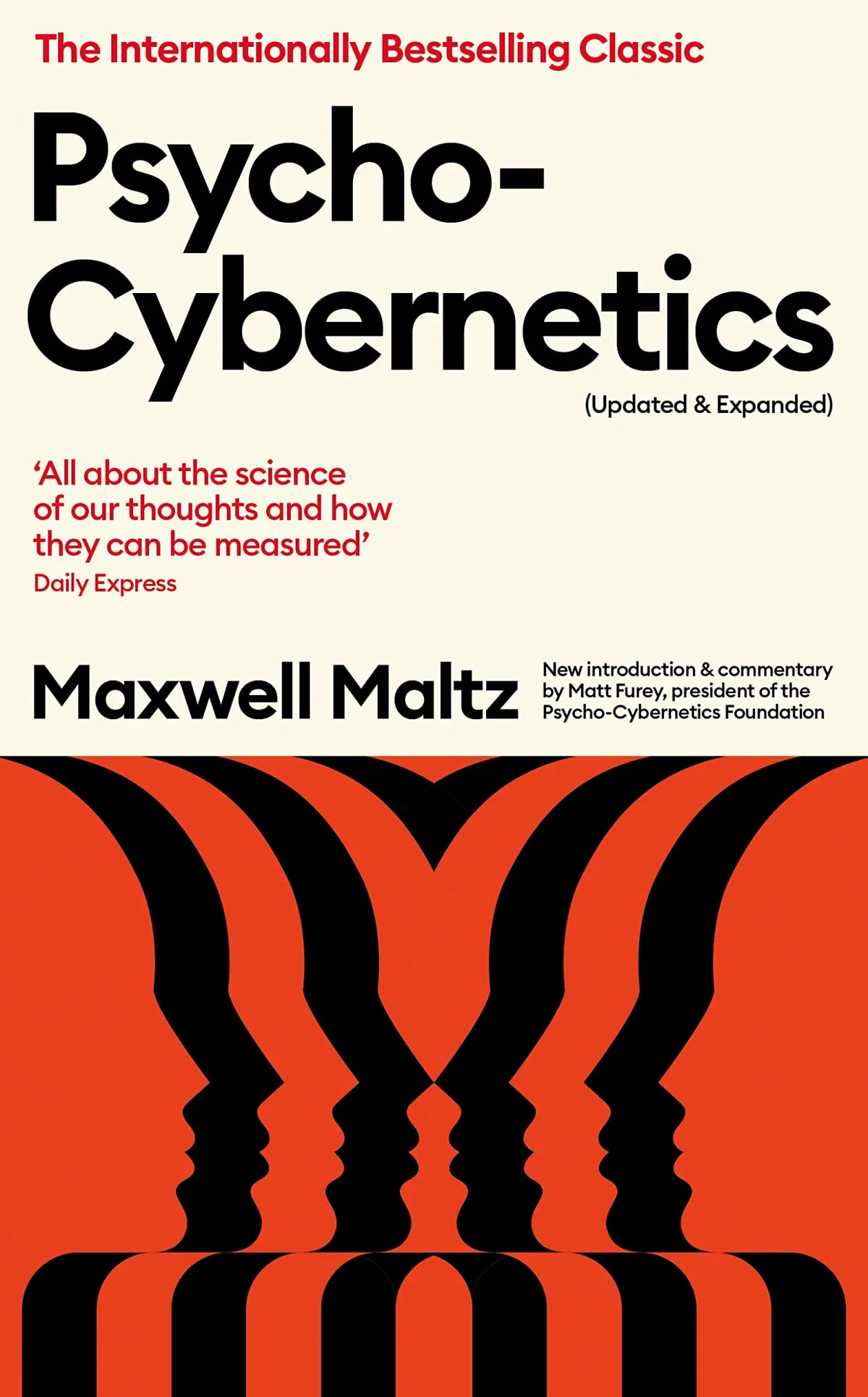 Photo: Maxwell Maltz, via m.media-amazon.com
Maltz also noticed something similar in his own life — when he changed a personal habit or behavior, it seemed to take about the same amount of time before the new routine stopped feeling awkward.
He wrote about these observations in his 1960 book Psycho-Cybernetics, which became a massive bestseller. In the book, Maltz described the minimum time he personally observed for mental image adjustment — roughly 21 days. He was careful about his phrasing, noting it required at least that long. He wasn't making a universal scientific claim. He was sharing a clinical observation.
But the self-help industry had other plans.
How a Personal Observation Became a Universal Law
Once Psycho-Cybernetics took off — it eventually sold over 30 million copies — the 21-day figure started getting passed around, repeated, and gradually stripped of all its nuance. By the time motivational speakers and productivity gurus got hold of it in the 1970s and 80s, "at least 21 days" had been quietly trimmed to just "21 days." Clean. Memorable. Marketable.
The number traveled through every wave of self-help culture that followed. Tony Robbins referenced it. Fitness programs built 21-day challenges around it. New Year's resolution articles cited it as established science. Nobody went back to check the original source, and even if they had, Maltz himself never claimed to be running a rigorous behavioral experiment. He was a surgeon watching his patients adjust to new faces.
 Photo: Tony Robbins, via cdn.sanity.io
The myth spread the way most myths spread: through repetition, simplification, and the human desire for a clean, actionable answer.
What Behavioral Science Actually Found
Researchers eventually decided to actually study habit formation properly. In 2010, Phillippa Lally and a team at University College London published a study in the European Journal of Social Psychology that tracked 96 people trying to build new everyday habits over 12 weeks. The results were considerably messier than the 21-day story suggests.
On average, it took participants about 66 days before a new behavior started to feel automatic. Not 21. Sixty-six. And that was the average — the actual range stretched from 18 days on the low end all the way to 254 days depending on the person and the complexity of the habit.
Drinking a glass of water with breakfast? Relatively quick to automate. Doing 50 sit-ups every morning before work? Much slower going. The type of habit, the individual's existing routines, the level of motivation, and even personality factors all played a role. There was no universal number because habit formation isn't a universal process.
The study also found something reassuring that the 21-day myth never mentions: missing a day doesn't reset your progress. Occasional slip-ups had very little effect on the long-term formation of the habit. The all-or-nothing framing that comes packaged with most 21-day challenges turns out to be one of the least scientifically supported parts of the whole framework.
Why the Myth Refuses to Die
So why does 21 days persist when the science points somewhere else entirely?
Part of it is commercial. A 21-day challenge is a product. It has a start date, an end date, and a satisfying sense of completion. A "66-day challenge with a range of 18 to 254 days depending on your circumstances" doesn't fit on a book cover or a fitness app notification.
Part of it is psychological. People want to believe that meaningful change is achievable on a timeline that feels manageable. Three weeks sounds hard enough to feel like an accomplishment but short enough to actually attempt. Two months sounds like a commitment most people aren't ready to make.
And part of it is simply the self-reinforcing nature of popular wisdom. Once something gets repeated enough times by enough credible-sounding sources, it starts to feel like established fact. Questioning it requires more effort than most people are willing to put into something that feels intuitively true.
The Real Takeaway
None of this means habit formation is hopeless or that the 21-day framework has zero value. If a three-week challenge gets someone to start exercising or reading more, that's genuinely worthwhile. The problem is the false certainty — the idea that if you haven't locked in a habit by day 22, you've somehow failed or you're doing it wrong.
The real story is more forgiving than that. Habits take time, they vary enormously from person to person, and a missed day isn't a reason to quit. That's what the science actually says.
Maxwell Maltz was a plastic surgeon with an interesting observation about his patients. He wasn't wrong to share it. But somewhere between his consulting room and your productivity app, his careful footnote became a rule — and that's a story worth knowing.