Shaving Does Not Change Your Hair — Dermatologists Have Had Proof Since the 1920s
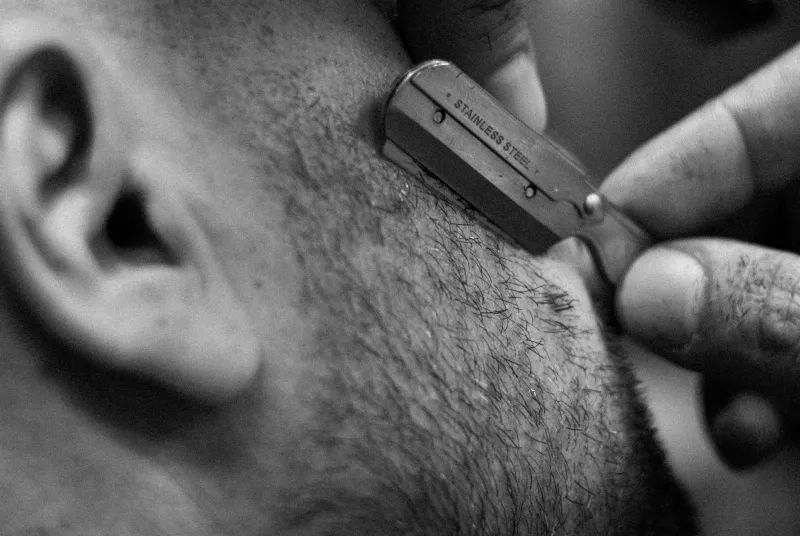
At some point in your life — probably around the time you first started shaving — someone told you to be careful. Once you start, they warned, the hair comes back thicker. Darker. Coarser. You'd be committing to a routine you couldn't undo.
It's one of the most universally repeated pieces of grooming advice in the country, passed from parents to kids with the confidence of established fact. The only issue is that it has never been true, and researchers have known that since at least 1928. The myth has survived not because the evidence is unclear, but because the illusion that confirms it is genuinely convincing.
A Study That Settled This Nearly a Century Ago
In 1928, a researcher named Mildred Trotter published findings from a controlled study examining whether shaving actually changed the character of hair regrowth. It didn't. Her results were unambiguous: shaving had no measurable effect on the rate, color, thickness, or texture of the hair that grew back afterward.
Her work wasn't an outlier. Subsequent studies throughout the 20th century — including a frequently cited 1970 clinical trial published in the Journal of Investigative Dermatology — reached the same conclusion. Researchers shaved one leg of participants and left the other unshaved, then compared the regrowth over time. Independent observers and objective measurements found no meaningful difference between the two sides.
Dermatologists today are consistent on this point. The American Academy of Dermatology has stated plainly that shaving does not alter hair follicles, and hair follicles are the only structures that determine what your hair looks and feels like. A razor never touches the follicle. It cuts the hair shaft at the surface of the skin, and what happens at the surface has no communication with what's happening underground.
The Illusion Is So Good It Feels Like Personal Proof
So why does this myth feel true to so many people? Because the experience of touching freshly shaved stubble is genuinely different from the experience of touching unshaved hair — and the human brain interprets that difference as evidence of change.
Here's what's actually happening. Hair that has never been cut comes to a natural tapered point at the tip. That soft, fine point is what you feel when you run your hand along unshaved skin — it bends easily and doesn't register as sharp or coarse. When a razor cuts that hair, it creates a flat, blunt edge. That blunt tip is physically wider and more rigid than the tapered natural end, so when it grows back even a few millimeters, it feels noticeably stiffer against your skin.
The visual effect works similarly. The tapered tip of natural hair is so fine that it can appear lighter or nearly translucent, especially in bright light. Once the hair is cut to a blunt edge, the full cross-section of the darker pigmented hair shaft is visible. The hair looks darker and denser even though nothing about the hair itself has changed.
This means the myth gets personally confirmed every single time someone shaves. You shave, you wait a few days, you touch the regrowth, and it feels exactly like what you were warned about. The feedback loop is perfect. The conclusion feels obvious. And the actual explanation — a simple geometry and optics problem — never comes up because nobody thinks to look for it.
Why Parents Keep Passing This Down
The myth's survival across generations has less to do with stubbornness and more to do with how knowledge gets transmitted in families. Most grooming advice doesn't come with citations. It comes from people who care about you, who are sharing what they believe to be true based on their own experience.
And their experience, as described above, genuinely does seem to confirm the myth. A parent who started shaving and noticed their hair felt coarser afterward has no reason to question the causal story they were given. They experienced what they were told they would experience. Passing that warning along to a child feels responsible, not credulous.
There's also a psychological component called the confirmation bias at work. Once you believe that shaving thickens hair, you pay close attention to the texture of regrowth and interpret it through that belief. Evidence that seems to confirm what you already think tends to stick. Evidence that contradicts it — like the fact that your unshaved arm hair hasn't gotten progressively coarser over the decades — doesn't get the same attention.
The Myth Does Real Harm in Some Situations
For most people, the shaving myth is harmless. But it does have practical consequences in certain contexts. Some people — particularly young women managing body hair, or people with certain skin conditions — have avoided shaving in areas where it would be helpful or medically recommended because they feared permanently altering their hair texture. Physicians have documented cases where patients delayed or refused dermatological recommendations involving shaving because of this belief.
The myth also feeds into anxiety around facial hair for adolescents. Young people who are warned that shaving will accelerate or coarsen beard growth sometimes feel they've made an irreversible decision when they haven't. The hair was always going to develop the way it developed. The razor had nothing to do with it.
What Actually Changes Hair Texture
For the record: things that genuinely do affect hair texture and growth include hormonal changes, aging, nutritional deficiencies, certain medications, and medical conditions affecting hair follicles. A razor blade is not on that list. Never has been.
The real story here isn't that people are gullible — it's that a completely understandable sensory illusion lines up so perfectly with a common myth that the two reinforce each other indefinitely. The science was settled before most of our grandparents were born. The illusion, unfortunately, is built into how human skin and hair work, and no amount of debunking changes what stubble feels like under your fingertips.