Your Phone's 'Storage Almost Full' Alert Pops Up When You Still Have Plenty of Space — Here's Why
The Warning That Comes Too Early
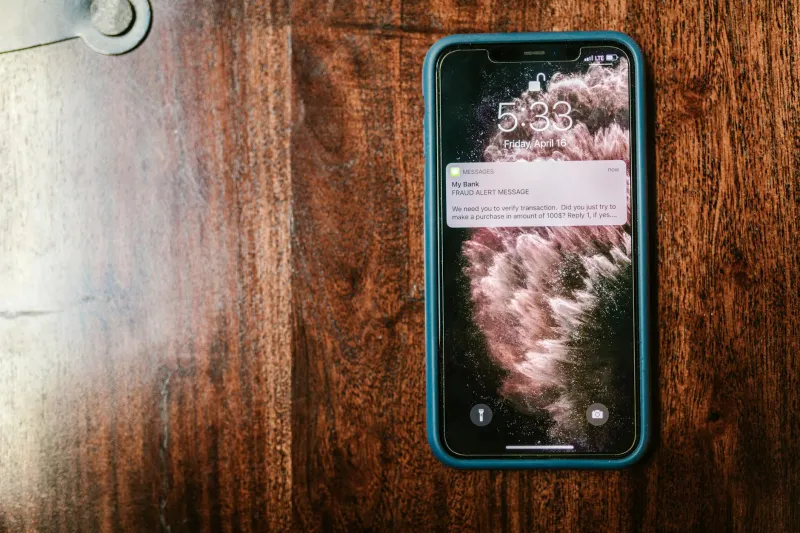
Your phone buzzes with urgency: "Storage Almost Full." You panic, start deleting photos of your last vacation, and consider upgrading to a pricier storage plan. But here's what most people don't realize — you probably still have several gigabytes of perfectly usable space left.
Tech companies have trained millions of Americans to fear these storage warnings as if they signal imminent device failure. The reality? These alerts are carefully calibrated sales tools, not emergency signals.
What 'Almost Full' Actually Means
iPhones typically warn you when you hit 85% capacity. Android devices vary, but most manufacturers set similar thresholds. This means when your 64GB phone shows that dreaded warning, you still have roughly 10GB of available space — enough to store about 2,500 more photos or several hours of video.
Software engineer Sarah Chen discovered this firsthand when she ignored her iPhone's storage warnings for months. "I kept getting these urgent notifications, but my phone worked perfectly fine," she explains. "I finally checked my actual usage and realized I had 8GB free. That's more storage than my first computer had total."
 Photo: Sarah Chen, via cdn.tatlerasia.com
The Psychology Behind the Push
These premature warnings aren't accidents — they're features. Tech companies understand that storage anxiety drives profitable behavior: upgrading to larger storage tiers, subscribing to cloud services, or buying new devices entirely.
Apple's iCloud storage plans start at $0.99 monthly for 50GB. Google Drive offers 100GB for $1.99 monthly. These might seem small, but they add up to billions in recurring revenue. A user who gets spooked by storage warnings is far more likely to subscribe than someone who understands they have plenty of space remaining.
The strategy works because most people don't understand how storage actually affects device performance. Unlike RAM, which genuinely slows your device when it's full, storage can run much closer to capacity without major issues.
When Storage Actually Matters
Your device needs some free space for basic operations — temporary files, app updates, and system processes. But this "breathing room" is typically just 5-10% of total capacity, not the 15-20% that triggers most warnings.
Real performance issues usually start when you're down to the last 1-2GB on most devices. At that point, you might notice slower app launches, failed photo saves, or update errors. But even then, your device won't "break" — it'll just become less convenient to use.
"I ran my Android phone at 98% capacity for over a year," says tech consultant Mike Rodriguez. "The only real problem was that I couldn't install new apps without deleting others first. Everything else worked normally."
 Photo: Mike Rodriguez, via www.mikerodriguezresults.com
The Cloud Storage Upsell
Those storage warnings often come paired with convenient solutions: "Upgrade your iCloud storage" or "Free up space with Google Photos backup." This isn't coincidence — it's conversion optimization.
Cloud storage can be genuinely useful, but many users sign up during storage panic rather than making informed decisions about what they actually need. The result? Millions of Americans paying monthly fees to store photos they rarely access, simply because a warning scared them into upgrading.
What You Can Do Instead
Before panicking about storage warnings, check your actual usage. On iPhone, go to Settings > General > iPhone Storage. Android users can find similar information in Settings > Storage. You'll likely discover you have more space than you thought.
When you do need more room, consider these alternatives to automatic upgrades:
- Delete apps you haven't used in months
- Clear cached data from streaming apps
- Move photos and videos to your computer
- Use free cloud storage options before paying for premium tiers
The Real Story
Storage warnings feel like helpful alerts, but they're actually sophisticated nudges designed to generate revenue. Tech companies have discovered that scaring users about storage creates more paying customers than educating them about how storage actually works.
Next time your device warns about storage, remember: you probably have more space than you think, and your phone won't explode if you ignore the alert for a while. The only thing that might suffer is the tech company's subscription revenue — and that's perfectly fine.