The Shampoo Aisle Didn't Always Look Like That — Hair Care Companies Built That Maze on Purpose
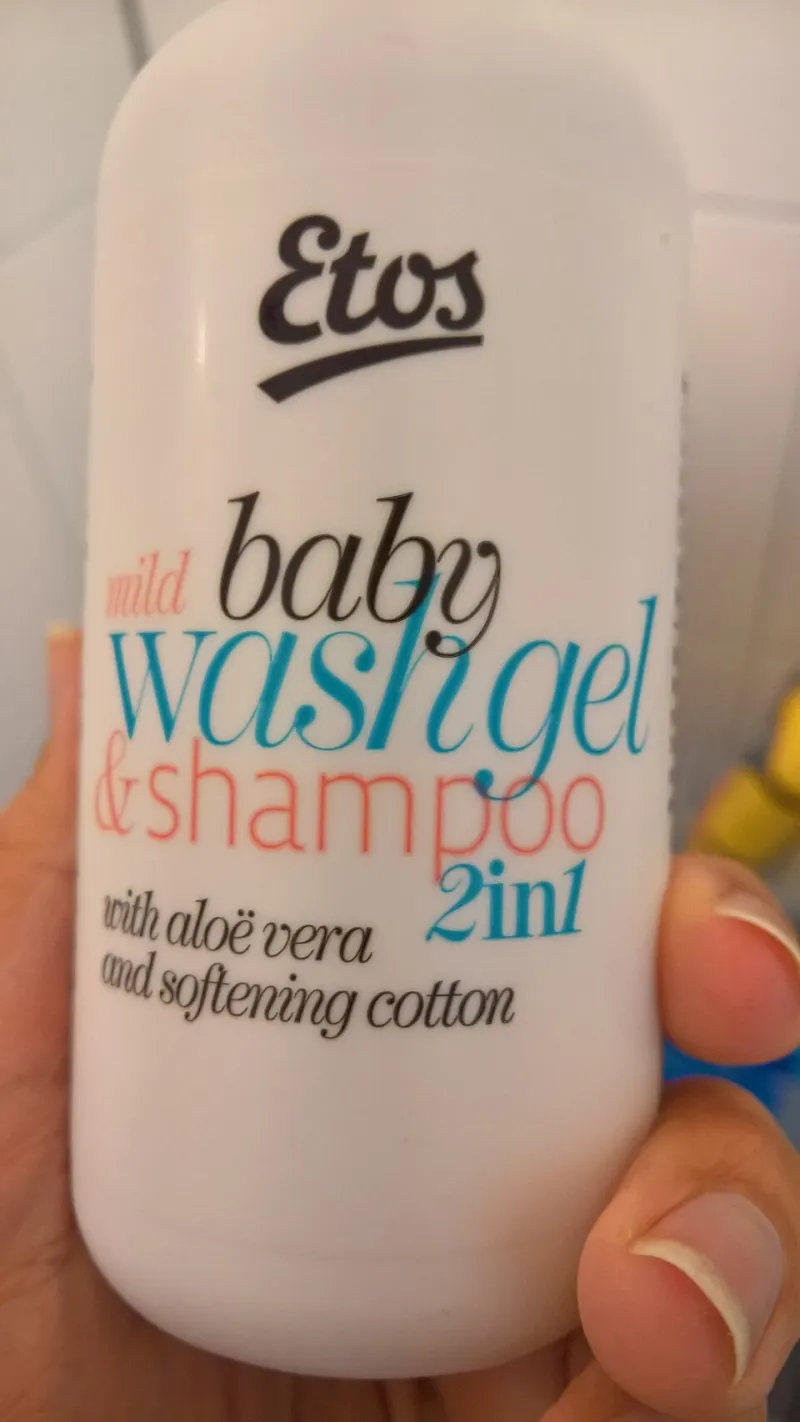
Photo: Donald Trung Quoc Don (Chữ Hán: 徵國單) - Wikimedia Commons - © CC BY-SA 4.0 International.(Want to use this image?)Original publication 📤: --Donald Trung 『徵國單』 (No Fake News 💬) (WikiProject Numismatics 💴) (Articles 📚) 21:53, 28 February 2021 (UTC), C
The Shampoo Aisle Didn't Always Look Like That — Hair Care Companies Built That Maze on Purpose
Stand in the hair care aisle of any American drugstore and the sheer volume of choices feels almost medical in its specificity. There are shampoos for fine hair and shampoos for thick hair, formulas for color-treated strands and formulas for natural texture, products for oily roots and separate products for dry ends. The packaging uses clinical language. The ingredient lists reference proteins, ceramides, and pH levels. The whole system implies that choosing the wrong shampoo for your particular hair situation is a meaningful mistake with real consequences.
It's a compelling framework. It's also largely a construction — one that the hair care industry built over several decades, starting in the 1970s, to solve a problem the industry had with its own success.
The Original Problem: Shampoo Worked Too Well
For most of the early 20th century, shampoo was a relatively simple product. It cleaned hair. Consumers bought one kind, used it until it ran out, and bought another. The formulations were basic, the marketing was minimal, and the category had a ceiling — there are only so many heads of hair in America, and they only need to be washed so often.
By the postwar era, synthetic detergent-based shampoos had become genuinely effective at cleaning hair. That created a quiet commercial problem: if the product works and everyone already has one, how do you grow the market?
The answer the industry landed on was segmentation. Instead of selling one shampoo to everyone, you sell seven shampoos to everyone — each one targeting a specific hair "type" or "concern" that the consumer might not have known they had until the packaging told them.
The 1970s and 80s saw an explosion of hair typing systems, specialized formulas, and condition-specific marketing. Procter & Gamble, Unilever, L'Oréal, and their competitors poured resources into creating product lines that implied a level of scientific precision that the underlying formulations didn't always support. The hair care market grew substantially — not because hair got more complicated, but because the story around it did.
What Dermatologists and Trichologists Actually Say
Trichologists — specialists who study hair and scalp health — and dermatologists who treat hair conditions tell a fairly different story than the one on the back of a shampoo bottle.
The primary function of shampoo is to clean the scalp. Not the hair shaft — the scalp. Hair itself is largely dead tissue. It doesn't absorb nutrients from a shampoo the way skin absorbs a moisturizer. What happens at the scalp level, where sebum is produced and follicles live, matters significantly more than what happens along the length of a hair strand.
For a healthy scalp, most dermatologists suggest that gentle, effective cleansing is really the main requirement. The elaborate taxonomy of hair types — fine, coarse, wavy, straight, curly, color-treated, heat-damaged — influences how you might style your hair or what kind of conditioning treatment might feel good, but it has limited bearing on which shampoo your scalp actually needs to stay clean and healthy.
Many specialists also point out a circular dynamic that the industry rarely advertises: some of the problems that hair care products claim to solve are problems those same products helped create. Highly concentrated sulfate-based shampoos strip the scalp of natural oils aggressively enough that the scalp compensates by producing more oil — which then gets marketed as an "oily scalp problem" requiring a specialized formula. Heavy silicone-based conditioners create buildup that then requires a "clarifying" shampoo to remove. The cycle is good for product sales. It's not necessarily good for your hair.
The Ingredient Marketing Machine
One of the more sophisticated moves in hair care marketing has been the introduction of specific ingredients as hero claims — keratin, biotin, argan oil, collagen, various proteins — each positioned as addressing a particular deficiency or damage type.
The science here is genuinely mixed. Some ingredients do have measurable effects on hair's appearance or manageability. Silicones, for instance, coat the hair shaft and reduce frizz, which is a real and observable result. But many of the more exotic ingredients in premium shampoos are present in concentrations too low to have meaningful effects, or their claimed mechanisms don't hold up under independent research.
The FDA doesn't regulate cosmetic products the way it regulates drugs, which means shampoo manufacturers can make a wide range of claims about their products without the clinical trial evidence that a drug would require. The bar for calling something "strengthening" or "repairing" in a cosmetic context is low enough that marketing teams have significant latitude.
What Actually Matters
Hair scientists generally land on a fairly simple set of actual considerations. Scalp health is the priority — a clean, balanced scalp is the foundation of healthy hair growth. For most people, a mild shampoo without harsh sulfates or heavy fragrance does the job. Conditioner applied to the mid-lengths and ends helps with manageability and reduces mechanical damage from brushing. How often you wash depends on your scalp's oil production and your activity level, not a product recommendation.
Beyond that, most of the differentiation in the shampoo aisle addresses cosmetic preferences — how your hair looks and feels after washing — rather than any underlying biological need specific to your hair type. A shampoo marketed for "fine hair" might contain less heavy conditioning agents than one marketed for "thick hair," which could make fine hair feel less weighed down. That's a legitimate cosmetic preference. It's not a medical necessity.
The system isn't entirely fictional. It's just much less scientific than the packaging implies, and much more commercially motivated than most consumers realize.
The Takeaway
The hair type segmentation system that makes the shampoo aisle feel like a pharmacy wasn't handed down by scientists — it was designed by product managers looking to expand a market that had already saturated. Dermatologists will mostly tell you that a gentle shampoo and a reasonable conditioner cover the needs of a healthy scalp, regardless of whether your hair is wavy, fine, or color-treated. The rest of the aisle exists because complexity sells. Simplicity doesn't have much shelf space.